TradingView and MetaTrader 4 are two incredibly popular trading platforms used by millions of traders worldwide. Although the two applications cater to traders, each one has unique advantages over the other. In this TradingView vs
MetaTrader 4 article, we explore the similarities and differences between these two tools and help you decide which suits your needs.
Article Summary:
- Introduction to TradingView
- Introduction to MetaTrader 4
- Difference between MT4 and TradingView business models
- TradingView Vs MetaTrader 4 key features
- TradingView vs MetaTrader 4 popularity
- Frequently Asked Questions
Introduction to TradingView
TradingView is arguably the world’s largest online trading and investor community and most popular web-based charting application for analyzing financial markets. Its intuitive interface and powerful analytical tools have made it a favorite across various asset classes.
TradingView, Inc. was founded in 2011 by the same fintech entrepreneurs that launched
MultiCharts, a well-known Windows-based charting application. This background in advanced charting solutions laid the groundwork for TradingView’s robust capabilities.
The platform is adored by all corners of the online trading world, attracting forex, cryptocurrency, futures, options and stock traders. Its comprehensive data feeds and real-time analysis tools cater to diverse trading strategies.
The platform boasts hundreds of indicators and lists tens of thousands of instruments streaming live quotes and hosting decades of historical data. You’ll regularly see TradingView charts and widgets embedded on other websites and platforms.
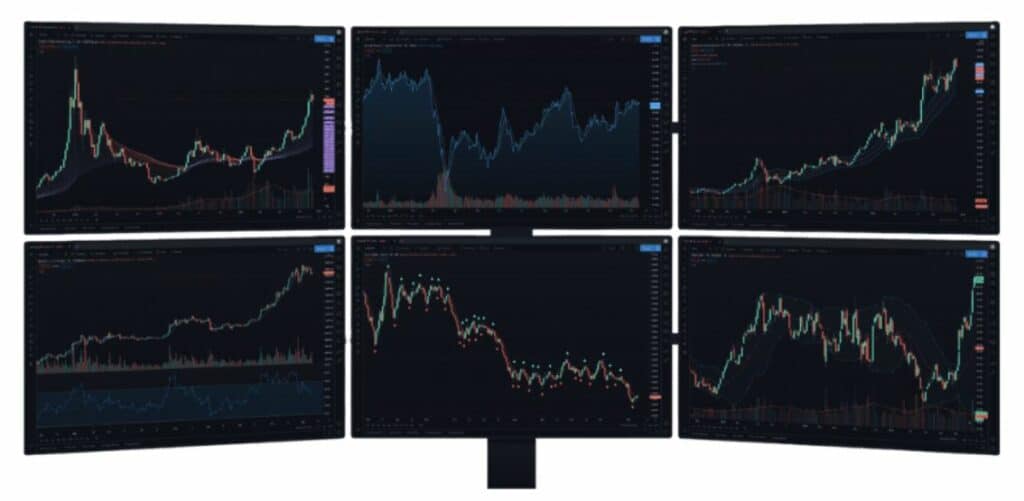 Image: TradingView desktop application
Introduction to MetaTrader 4
MetaTrader 4, also known as MT4, is the fourth generation of trading platforms developed by MetaQuotes Software Corp. Despite its age, it remains a cornerstone for many forex and CFD brokers and traders.
The first versions of
trading platforms built by MetaQuotes were well received but are a distant memory today.
[1] MT4’s enduring popularity stems from its early adoption and robust functionality for automated trading.
MetaTrader 4 was launched in 2005, and at the time, it was revolutionary. MetaTrader 4 is a white label trading platform sold by MetaQuotes to
forex and CFD brokers. This model allowed brokers to quickly deploy a sophisticated trading environment.
MT4 allowed forex brokers to launch with sophisticated trading technology in a matter of weeks while costing a fraction of what it would cost to build a proprietary platform.
[2] However, it’s crucial to note that MetaQuotes officially ceased selling new MetaTrader 4 licenses and providing updates for the platform in 2018. This means MT4 has not received official developer updates for eight years as of April 2026, making its technology increasingly dated compared to rapidly evolving platforms.
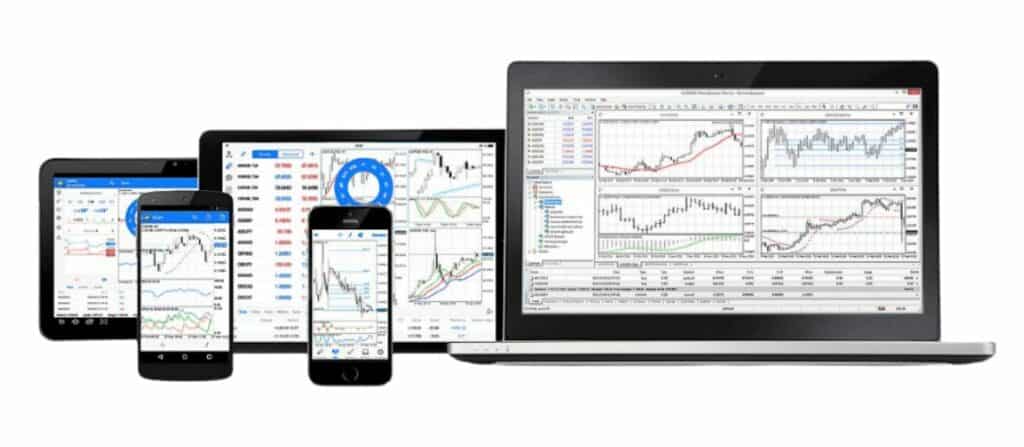 Image: Suite of MetaTrader 4 trading platforms
Difference between MT4 and TradingView business models
One of the most notable differences between MetaTrader 4 and TradingView is their core business model. MetaQuotes earns its money by selling licenses and charging support fees to brokers, who then offer the platform to their clients, often for free. This makes MT4 a broker-centric solution.
Although MT4 has been discontinued for new licenses, MetaQuotes used to charge around $100,000 per license, plus a monthly technical support fee of $2,500 per license. Some of the
largest forex brokers would require several licenses to support their operations. Traders, in turn, don’t typically pay anything to access the platform directly; brokers recoup costs through trading commissions, spreads, and market-making activities.
TradingView operates a freemium business model. It’s free to use a limited feature version of TradingView, which includes ads. However, if you want to remove advertisements, access more advanced charting tools, additional indicators, and higher data limits, you’ll need to pay for a subscription.
Monthly subscriptions currently range from around $14.95 to $59.95, with discounts for annual payments and regular promotions. Traders should check TradingView’s official website for the most up-to-date pricing and plan details.
[3] This direct-to-consumer model allows TradingView to focus on user experience and feature development independent of broker-specific requirements.
TradingView vs MetaTrader 4 key features
Although MetaTrader 4 maintains its popularity, the developer ceased selling new licenses and updating the platform in 2018. Therefore, TradingView has had plenty of opportunities to exceed the functionality of MT4, and in many areas, it has.
Trading functionality
One of the main differences between the two platforms is their primary design intent. MetaTrader 4 is fundamentally designed as a trading platform, offering direct order execution, comprehensive account management, and robust automated trading capabilities through Expert Advisors (EAs). It’s a complete trading ecosystem.
TradingView, while primarily a charting application, has significantly expanded its trading functionality. It now supports direct trading with dozens of leading brokers globally, allowing users to execute trades directly from its charts. While MT4 offers a more integrated trading experience with a wider array of brokers, TradingView’s growing list of integrations makes it a viable option for many who prefer its superior charting.
Charting and technical analysis
Traders depend on both MT4 and TradingView for their
charting and technical analysis capabilities. However, TradingView offers a far more extensive and modern suite of tools.
In terms of chart types, timeframes, zoom levels, indicators, and drawing tools, TradingView is packing far more features than MetaTrader 4 in that respect. Its web-based nature also allows for more dynamic and visually appealing charts.
One area where MetaTrader 4 shines is for its automated trading and custom development capabilities. Its MQL4 programming language allows for highly customized indicators and Expert Advisors, fostering a dedicated developer community.
Chart types
MetaTrader 4 offers just three basic chart types: candlesticks, bars, and line charts. These are standard but limit visual analysis options.
TradingView offers 12 chart types, providing a much richer visual experience: candlesticks, hollow candlesticks, bars, line, area, baseline, renko, range, line break, kagi, and point & figure charts. TradingView also lets you compare two symbols on the same chart, a feature not natively available in MT4.
[4]
Timeframes
MetaTrader 4 has nine fixed timeframes, ranging from one minute to monthly. This covers most standard analysis needs but lacks flexibility.
TradingView supports custom timeframes, allowing you to create virtually any chart period, from seconds to years, offering unparalleled flexibility for specific analytical approaches. Another big difference is that MT4 has just five chart zoom levels, while TradingView has 50, providing granular control over chart detail.
Indicators & objects
MetaTrader 4 includes 30 preinstalled technical indicators, a figure that has remained constant since its last update. TradingView, however, offers a vastly larger selection, with hundreds of built-in indicators and access to a community-driven library containing thousands more, developed by its active user base. Similarly, MT4 has 19 drawing objects, such as trendlines, Fibonacci retracements, and shapes. Meanwhile, TradingView has more than 50, including advanced annotation tools, geometric shapes, and icons, enhancing visual analysis and communication of trading ideas.
Range of instruments
As
MetaTrader 4 is a white-label platform, the trading instruments listed depend on the broker providing the platform. MT4 is designed as a
CFD trading platform; therefore, it only makes sense for brokers to list tradable instruments. Most brokers offer
currency pairs, energies, precious metals, indices, and sometimes stocks. Brokers are also restricted to 1,024 instruments, which is a platform limitation.
[5]
TradingView, on the other hand, lists many thousands of instruments from multiple venues. For example, you won’t find one
price for Bitcoin versus the US dollar. You’ll find BTC/USD prices from numerous exchanges. In TradingView, you can find prices and historical data for stocks, indices, futures, bonds, currencies, cryptocurrencies, and various economic indicators from around the world. This extensive data coverage makes it a powerful research tool for multi-asset traders.
Community
Community is the cornerstone of TradingView. The application includes an Ideas Stream for members to publish their analysis and commentary, comments sections, user profiles, public and private chat rooms, and a live streaming service. This integrated social network allows traders to share insights, learn from others, and collaborate in real-time.
MetaTrader 4 has a standalone community where traders from different brokers can interact. The MetaTrader 4 community is hosted at mql5.com. The website hosts a forum, marketplace for indicators and EAs, custom jobs board, and signal
trading service catering to MT4 and MT5 traders. While robust for developers and automated trading enthusiasts, it is less interactive and visually engaging than TradingView’s integrated social features.
Application support
TradingView is available as a web browser application, a dedicated desktop application for Windows, macOS, and Linux, and a mobile & tablet app for iOS and Android devices. This broad cross-platform support ensures accessibility for almost any user.
MetaTrader 4 is also available for desktop, web, and mobile devices, except with some caveats. Firstly, MetaTrader 4 lacks official support for modern macOS versions, as MetaQuotes ceased platform updates in 2018. While some users might attempt workarounds like Wine or virtual machines, native compatibility is absent. Many brokers, however, offer web-based versions of MT4, which can be accessed from any operating system. That’s because MetaQuotes only launched the web browser-based version after several third-party developers built and brokers created their own unofficial web trader applications for MetaTrader 4.
TradingView vs MetaTrader 4 popularity
To determine the popularity of the two trading platforms, we can analyse publicly available statistics, such as website traffic and mobile app downloads. The trends over the past few years highlight a significant shift in user preference.
Android App installs
At present, the MetaTrader 4 Android app continues to show over 10 million downloads. In contrast, the TradingView app has experienced substantial growth, with its download figures now significantly surpassing those of MT4, reflecting its rising prominence among mobile traders.
Website traffic
Recent analytics indicate that tradingview.com consistently attracts hundreds of millions of visitors each month, demonstrating its dominant position as a web-based charting and trading hub. MQL5.com, the MetaTrader community, also maintains a strong user base, though its traffic figures remain considerably lower than TradingView’s expansive reach. This disparity underscores TradingView’s broader appeal beyond just forex and CFD trading, encompassing a wider range of financial markets and a more active community.
Frequently Asked Questions
Is MetaTrader 4 still a popular choice for forex traders in 2026?
Yes, MetaTrader 4 remains a widely used platform by forex and CFD brokers, even in 2026. Its enduring popularity stems from its long history, robust automated trading capabilities, and the vast ecosystem of Expert Advisors and custom indicators developed over nearly two decades. Many brokers continue to offer it as their primary platform, and a large segment of the forex trading community is deeply familiar with its interface and functionality, making them reluctant to switch.
Why is TradingView gaining popularity among cryptocurrency traders?
TradingView offers white label charting packages that appeal to new
cryptocurrency exchanges building their web and mobile trading platforms. Using a tried and tested charting library with all the advanced features outlined in this comparison was a far better solution to building something from scratch. This situation exposed TradingView charts to many cryptocurrency traders and established it as the go-to crypto charting application, appreciated for its real-time data, extensive indicators, and multi-exchange data feeds.
How should I decide between MetaTrader 4 and TradingView for my trading?
Your decision between MetaTrader 4 and TradingView should align with your primary trading needs. If you prioritize a dedicated trading platform with extensive automated trading capabilities, a vast library of Expert Advisors, and direct broker integration for forex and CFDs, MT4 might be suitable. However, if you seek a sophisticated, web-based charting application with superior technical analysis tools, a vibrant social community, broad multi-asset data coverage, and growing direct broker integrations, TradingView is likely the better option. Consider your preferred asset classes, analytical depth, and whether you value community interaction or automated trading more.
About This Article
Author: Mark Prosz
Sources of information and credits for this post include:
[1] https://www.metatrader4.com/en/company
[2] https://www.financemagnates.com/forex/technology/forextechnologythe-stubborn-move-to-mt5/
[3] https://www.tradingview.com/gopro/
[4] https://www.tradingview.com/features/
[5]https://financefeeds.com/metatrader-5-about-to-go-viral-globally-financefeeds-exclusive/ 
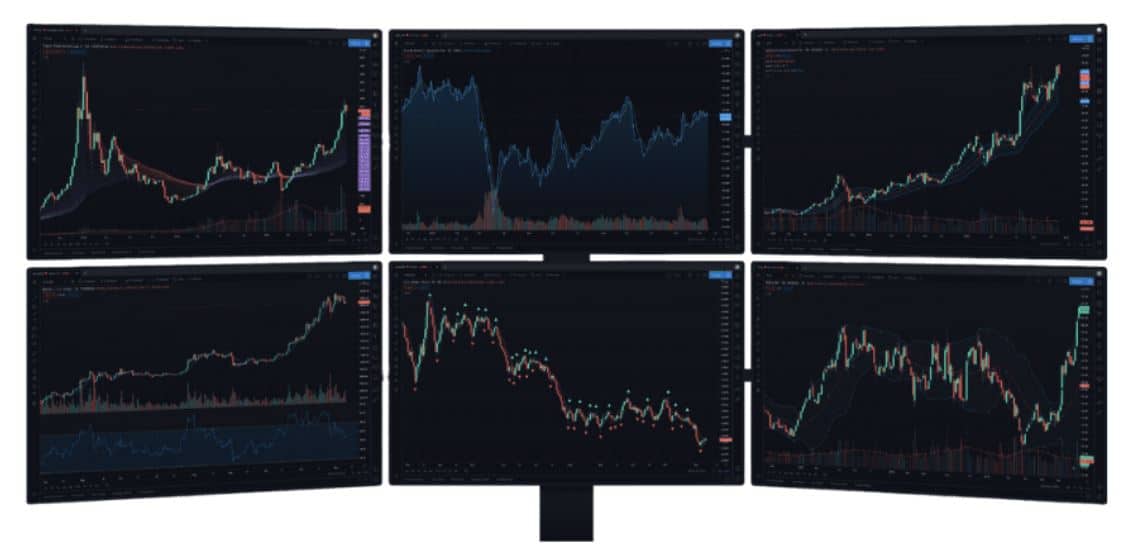 Image: TradingView desktop application
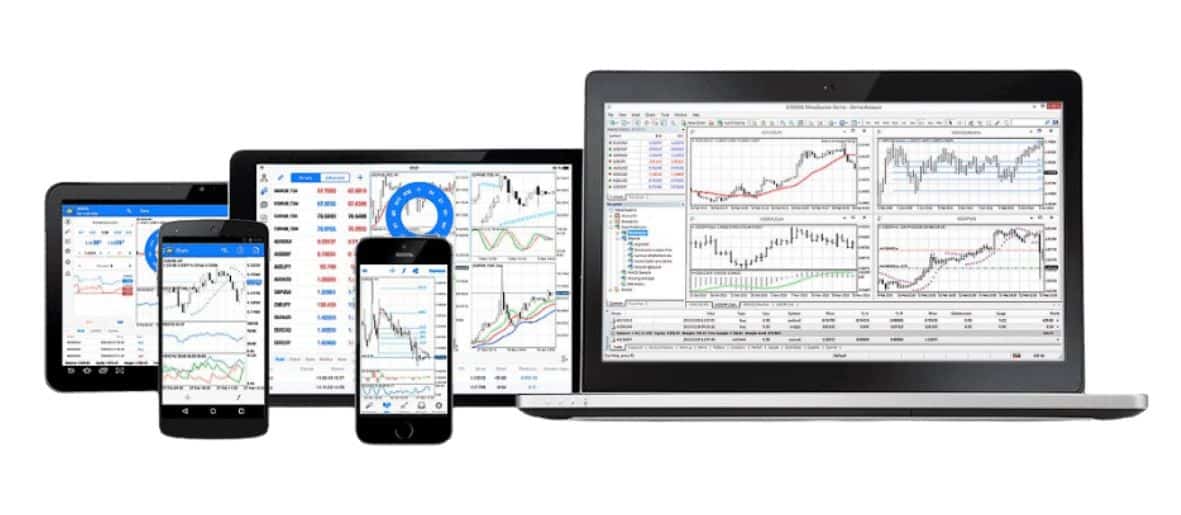 Image: Suite of MetaTrader 4 trading platforms